Thursday, April 12, 2007

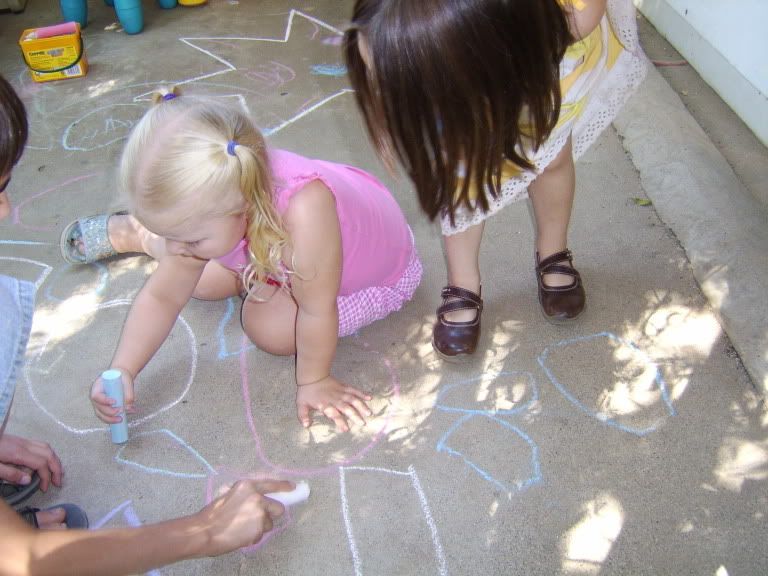
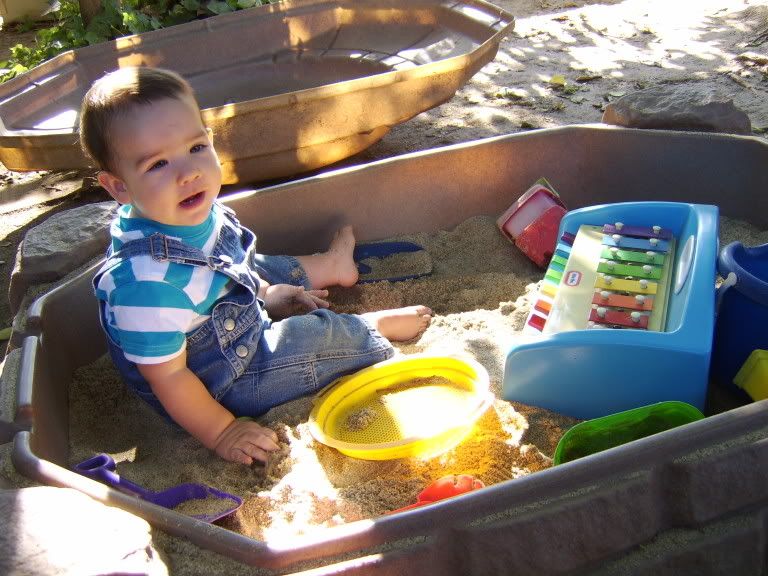
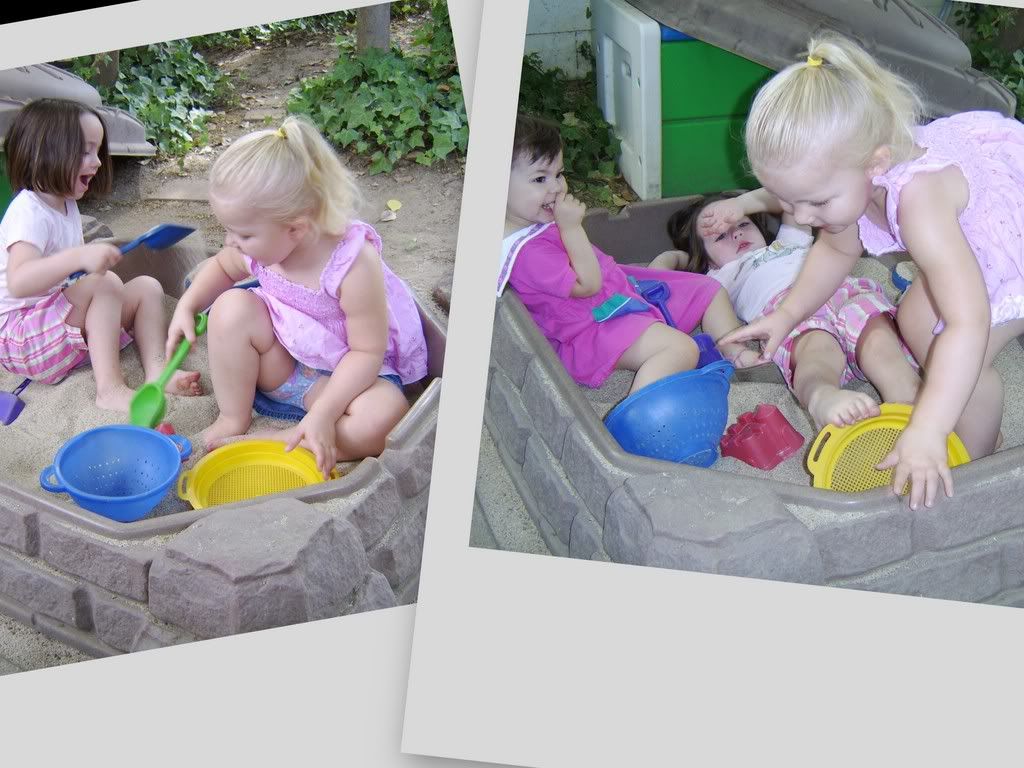
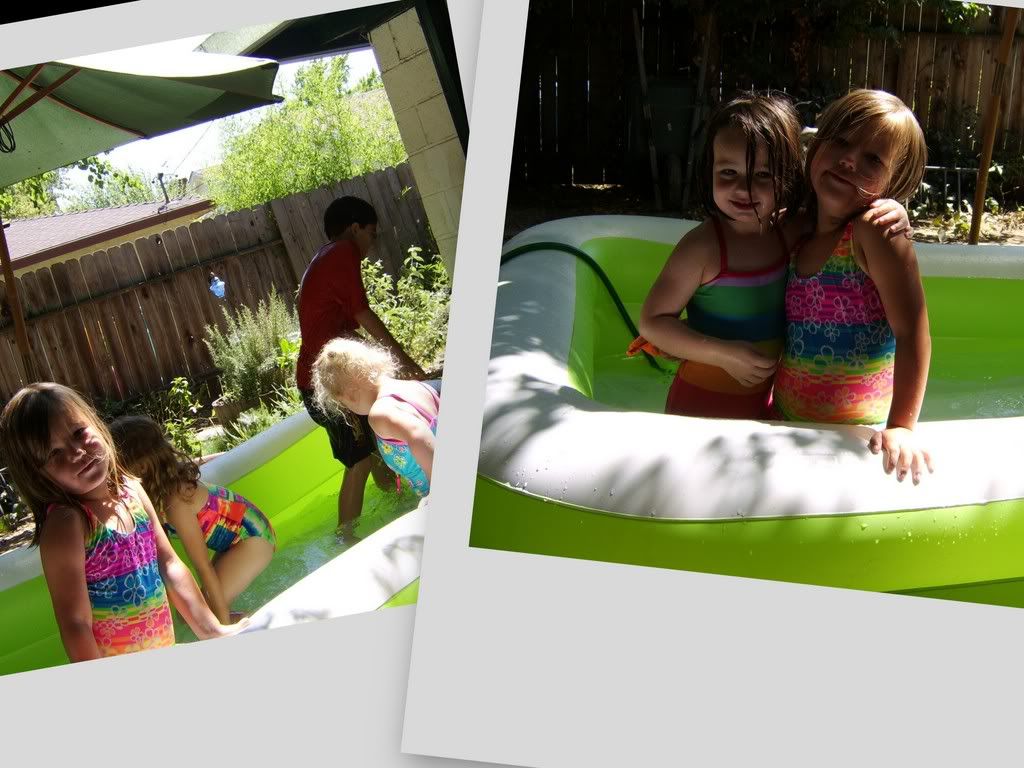
We Have 1 Preschool Opening (Ages 2-5).

Click on title to go directly to our official website for more details.
Click on image to enlarge. ;)

Tuesday, February 13, 2007

Diaper Rash


Diaper Rash. There are a few different causes that I am aware of, and there are some very effective ways of treating these rashes. I am not a doctor however, and when in doubt always check with your pediatrician. The following information is from my experience working with children.

The rashes are ususally big red blochy areas on the buttocks and surrounding areas. (if the rash has small red dots seek medical assistance right away, it could be a yeast infection, impetigo or worse).

One cause of diaper rash is food alergy. Highly acidic foods that are notorious for causing rashes are strawberries, tomatoes, oranges and juices. Not all children will have a reaction to these foods, but if there is a reaction, diet is a good place look first.

Another cause is teething. Some children develop symptoms such as rash in the diaper area, runny nose and fussiness. Again not all children will display all or any of these symptoms.

The best care for a diaper rash is to keep the area as clean and dry as possible. Here are some suggestions.


  1. Change the child as often as possible. We change every hour to hour and a half (or when needed).

  2. After changing, let the area "air: out (fan or keep diaper off for a minute).

  3. Apply an ointment which forms a barrier between the child's skin and wetness (Creamy Desitin works best in my opinion (some do not like the smell and if you use the regular, instead of creamy, it will not glide on as easily -- that can really be traumatic to a child with a rash!). Some others: A&D ointment, or Boardeaux's Butt Paste is great; it forms a barrier and smells like cinnamon. Some even use a powder over the paste. I have found this works well, (but is not necessary if you use the cream).

  4. Another very helpful treatment (and I like using this for children who have chronic rashes), is filling a sanitary spray bottle with warm water and apple cider vingegar or white vinegar (one teaspoon per 16oz.) and spraying the affected area; wiping with a clean cloth or paper towel (instead of wipes).

  5. If it is suspected that the diet may be the cause, temporarily change the child's diet to "trusted" (foods the child has a history of not being alergic to), and bland foods with low acidity). Gradually reintroduce new foods one at a time and look for reactions.

I will keep adding to this post as I find more information. Please feel free to add comments and your experiences.


Monday, February 12, 2007

Valentine Project Slideshow!


Our friends are using pink crepe strips, tempura paint and paper plates to construct a valentine treat holder.

Water Table Activities...


In The Housekeeping Area...


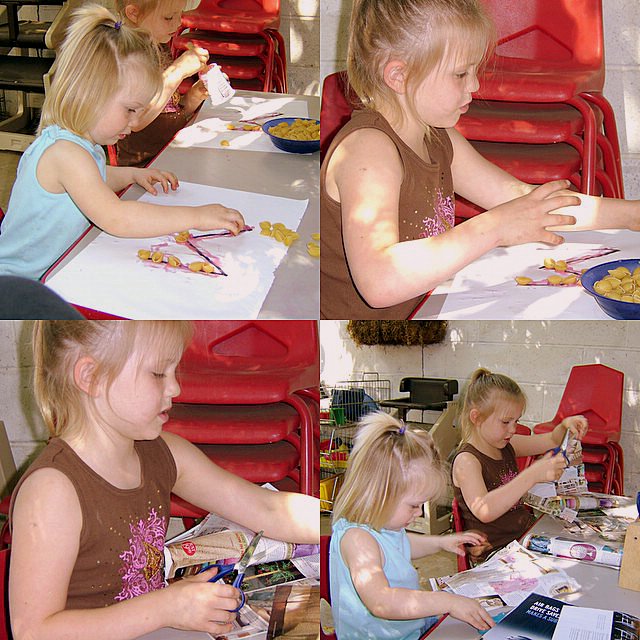
The Letter "O"


Our friends are glueing pasta to the letter "O"


This is a great fine motor activity, and builds vocabulary and social skills as they work together.

Wednesday, January 17, 2007

A Peek at Lunch (and More) Today


Today we had Teriaki Chicken, Sprouted Wheat Bread, Broccoli and Bananas. Yum.

We're taking a look at our "Global Village" this week. Today we studied Africa; the animals and objects.


Earlier this week we made an covered a bowl with an African tribal print. Today we used gold ink with rubber African stamps that depicted the native animals of Africa, African clothing, housing and tools.


We also played Mancala, a traditional african marble game, discussed what kinds of animals live in Africa and learned the Swahili words for "hello" (Jambo) and "How are you?" (Habari gani?)


We sang "The Color Song" (each child stands up if they are wearing the color we sing), and "All our Friends" song.


We are working toward identfying the letter "N" by sight and sound (at the beginning of words), and the number 12. 12 assorted houshold items were arranged for our friends to practice counting out. We went on a "Circle Hunt" in the Preschool room. Many were very sucessful in finding circles and the ones that were not were trying very hard in their effort to keep up!


We also continued with our "Kangaroo" jumping game. Our friends threw a bean bag and counted how many hops it took to get to it. They put a twist on the game by stuffing a puppet in their shirts (kangaroo baby) ;)


Slide Show

Tuesday, January 16, 2007

Colds and Children


We spend alot of time outside during the day. It has been very cold lately and I can imagine that some are concerned about children being outdoors at this time of the year. Children should be bringing jackets and layered clothing. Also mittens/gloves, hats are great. Here are some facts about colds:

Upper Respiratory Infection (URI or Common Cold) What is an upper respiratory infection (URI)?
An upper respiratory infection (URI), also known as the common cold, is one of the most common illnesses, leading to more doctor visits and absences from school and work than any other illness every year. It is estimated that during a one-year period, people in the US will suffer one billion colds. Caused by a virus that inflames the membranes in the lining of the nose and throat, colds can be the result of more than 200 different viruses. However, among all of the cold viruses, the rhinoviruses and the coronaviruses cause the majority of colds.

Facts about an URI or cold:
Most children will develop at least six to ten colds a year. This number increases for children who attend daycare.
Colds do not happen as much after the age of 6.
Adolescents get colds about two to four times a year


When is the "cold" season?
Children are most likely to have colds during fall and winter, starting in late August or early September until March or April. The increased incidence of colds during the cold season may be attributed to the fact that more children are indoors and close to each other. In addition, many cold viruses thrive in low humidity, making the nasal passages drier and more vulnerable to infection.


The most important way to prevent the spread of colds is washing hands. We also have a great toy sanitizing system and have been very fortunate when it comes to children being ill; We get the occasional cold but luckily not much else.

Monday, January 08, 2007

New!

I took some time off from posting, in case anyone noticed, to prepare for our new house. It's amazing how hard it is to get back into a routine in a different environment; now I can understand why children can take a while to adjust when atttending a new child care.

It has been amazing, and challenging at the same time. For the parents and families that made the transition from the old house to the new, we are grateful to have you and so excited to continue this new chapter of care at the first home we can truly call our own!

Ice Skating.


In keeping with our arctic theme, we used paper plates and masking tape to create "ice skates" to glide across the [carpet] frozen ice. It was a big hit; no one wanted to take them off and a couple of children wore them through lunch and rest time. ;)

Ice Painting


Today we painted with powdered tempura and long frozen ice "sticks."
We are studying blue this week and the arctic. Some of the other things we are learning about are the animals that live in the artic, what they do and how thier bodies are specially equippped to survive the ice and snow.
We are exploring the letter "M" with stories and rhymes and working with the concept of pairs. one of the activities we did today was using recognizable household and daily objects like kitchenware and shoes with socks to mix-up and sort out into pairs.

Wednesday, October 18, 2006

Autumn at the Playhouse...

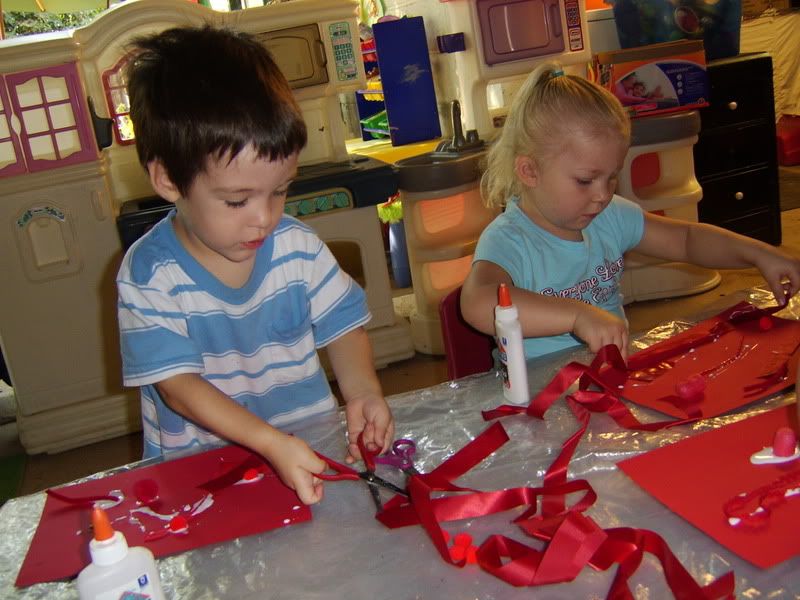
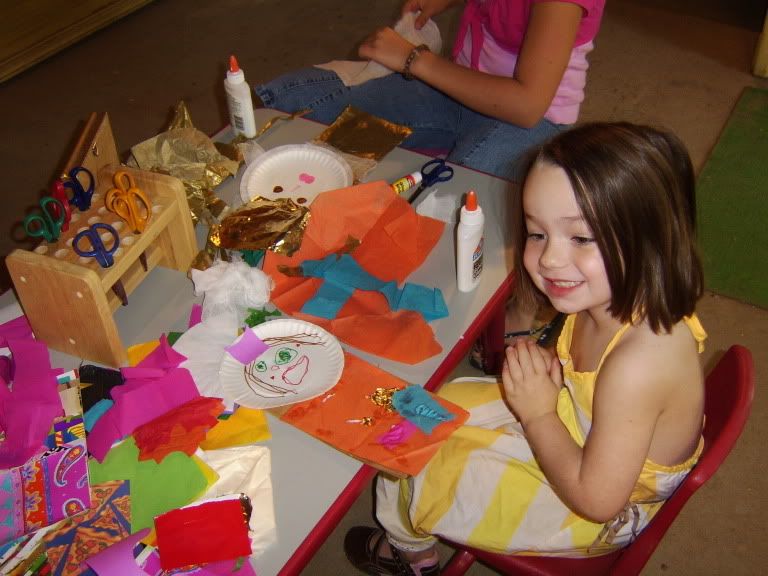
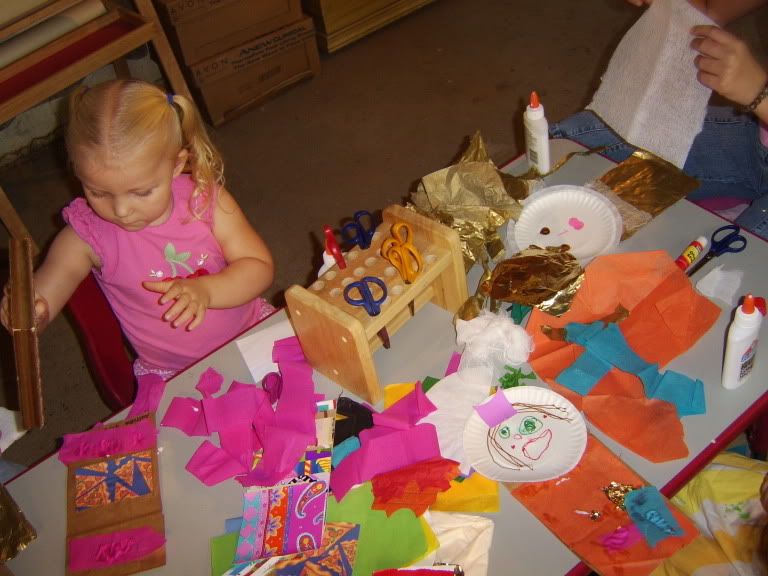
Red Collage

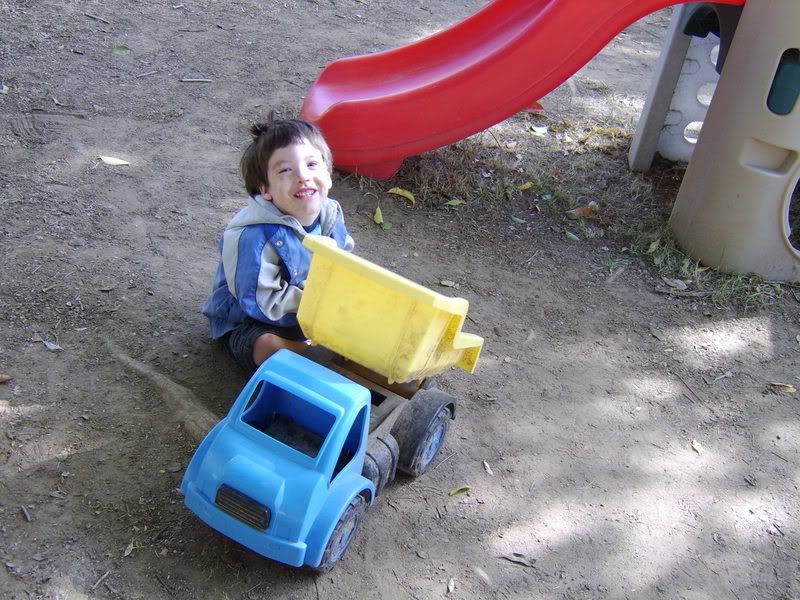
Fall Dump Truck Fun!

Hooray for Fall!

October Fun!!

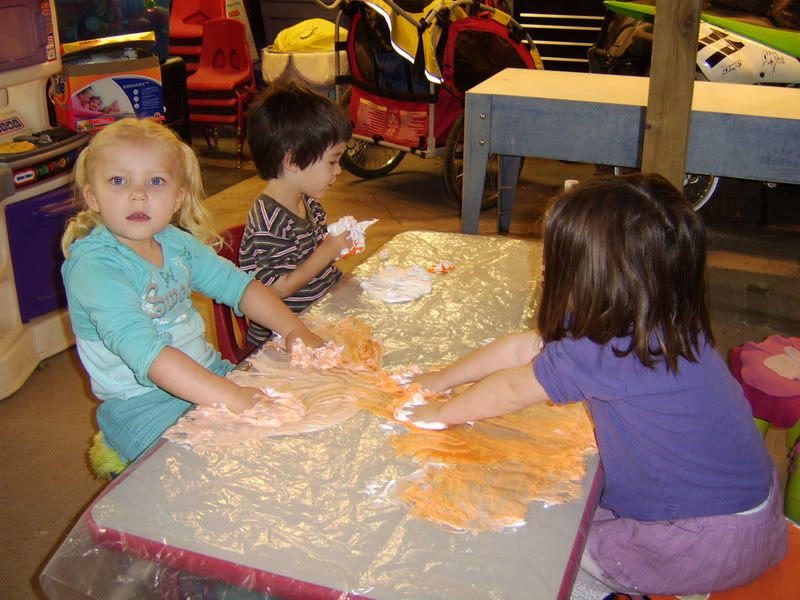
Shaving Cream, orange food coloring and friends!

Friday, September 01, 2006

Thursday, August 10, 2006

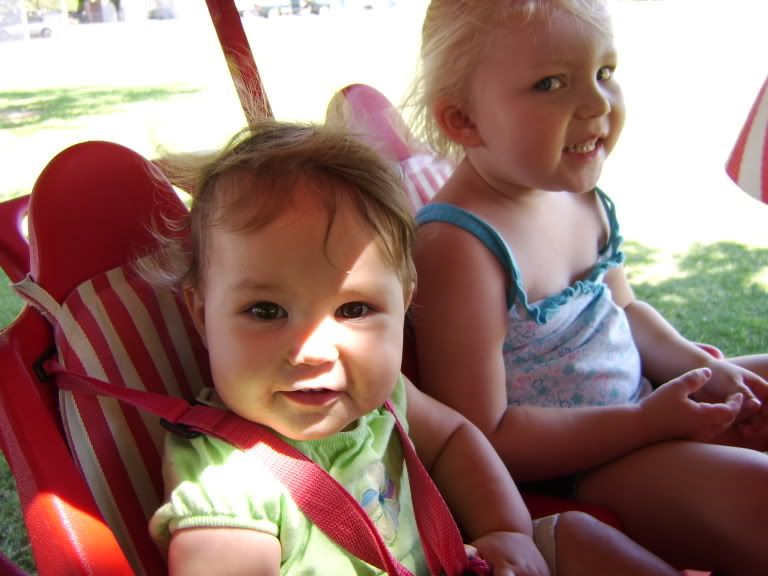
Buggy Ride


Buggy ride to the school soccer field for snacks and a game of futbol.

Holding back the laughter!

Tuesday, July 25, 2006

Monday, July 24, 2006

Spiders

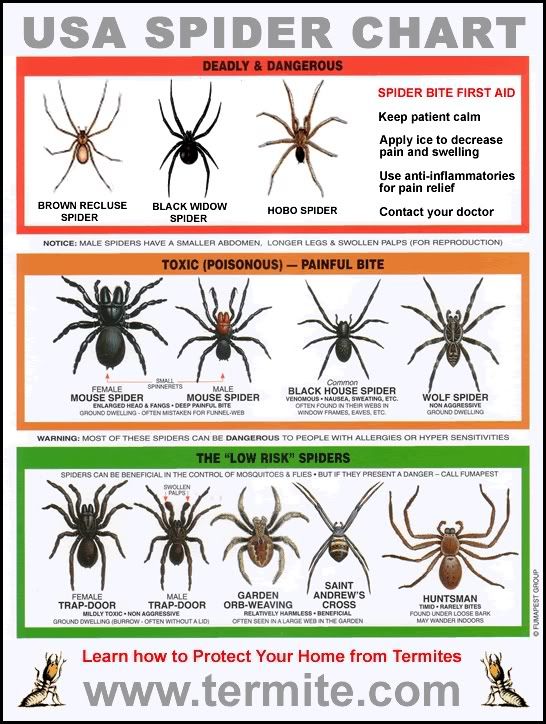
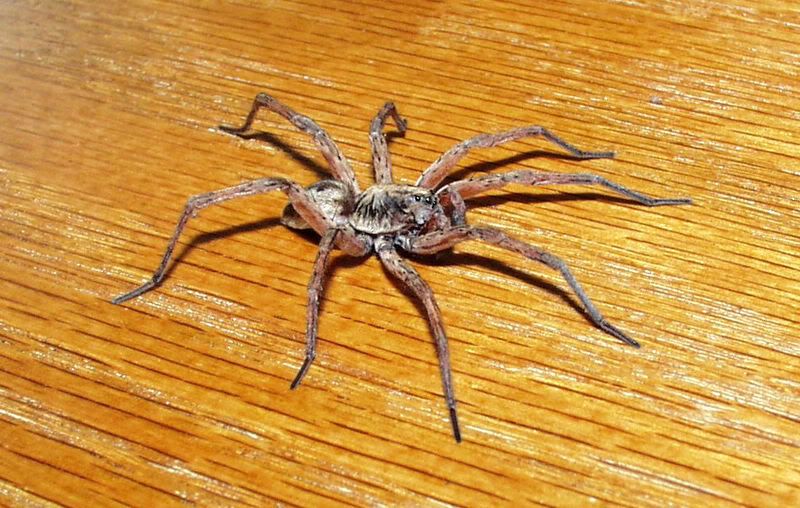
We seem to have quite a few spiders roaming around lately. I suspect that they, not unlike us, are trying to escape the heat. Last year my daughter was bitten. We were somewhat lucky because, although it was a painful and red bite, it turned out not to be poisonous. She was bitten by a Wolf spider. To get a printable chart, like the one to the left CLICK HERE. For more information about spiders in the area CLICK HERE for the Poison Control site. When in doubt call Poison Control @: 1-800-222-1222

Monday, July 17, 2006

Tips When Choosing Child Care

Parents:
When choosing child care don't be afraid to ask questions!

Your child's day...

  1. Is there a daily schedule?
  2. What is the meal system (do I have to bring or does the Provider supply)?
  3. Where will my child sleep?
  4. What is the sleep policy (are non-resting children accomodated; what is the resting philosophy)?
  5. What types of activities are available?
  6. What is the philosophy of the child care (is it teacher directed or child directed or somewhere inbetween?) BTW, both are very good, but one might be a better fit for an individual, (and their family philosophies regarding child education), than others.
  7. Is there an emergency plan that you feel comfortable with?
  8. Are the activities age appropriate, are the structures and toys free from damage?
  9. Does the family home or center meet all of the criteria to remain licensed?
  10. (plugs covered, current (and correct) CPR and First Aid Certification, no poisionous plants in yards, fences safe, windows free from breakage, walls free from cracked paint, all poisonous materials stored in locked cabinets or above 5ft (I think 6ft is better). If you have questions you can call licensing @ (916) 875-2808 and ask for the worker of the day.

Your Provider....

  1. What is the Philosophy of the center or family home? (Views on toilet learning, family communication, learning, meal times, etc). Is it similar to yours?
  2. Is there a posted curriculum?
  3. How often do children partake in a scheduled curriculum, if at all?
  4. What is the education level of the teacher/provider? (BTW, just because a person has a degree in math or english, it does not necessarily mean that they have the temperment to work with children; OBSERVE!)

Hygene...

  1. What is your initial feeling of the overall apperance of the site. (If a site is in disorder, it could mean that in an emergency they might not be able to find your child's file or other important paper work).
  2. Is the site overly dirty? (There will be a certain amout of messiness because a good provider wants the children to become heavily involved in play. However mold, and lots of dust/cobwebs could be health issues, esp. for children with asthma or alergies).
  3. Does the site have a posted toy cleaning and sanitation plan? (are mats, plastic and fabric toys and structures routinely washed and sanitized on a schedule?)
  4. What is the written health policy?
  5. How often are hands washed? (Does provider have paper or individual towels or one towel for everyone?)
  6. Does the provider look clean? (clean hands - when not involved in projects, neat appearance?)

Dangers...

  1. What are the policies for field trips (how many adults to children)?
  2. what are the proceedures for serious medical treatment?
  3. Does your provider carry Liability insurance for the child care and Liability auto insurance? If not are you comfortable with this?

These are some of the questions Parents/families can ask providers. I always tell parents that if they are uncomfortable for any reason to trust their instincts and keep searching until they have the right match.

I will be posting on what providers can do to protect themselves and how to inteview to find a good parent/provider fit. HINT: alot of it has to do with the above questions.

Thursday, July 13, 2006

This Week

Photobucket - Video and Image Hosting

Friday, June 30, 2006

Help With Hitting in a Group Setting: Sharing.

A parent recently wrote:

I have been posed with a problem. I have a bit of a hitter on my hands. My 2 year old son has been going to daycare for about a month and a half now and started hitting some. Occasionally he leaves a little mark, but I think out of frustration really (he needs to learn how to share as he is an only child). He is in a daycare with all boys, and one of the moms (a mom of brothers), has said it was her sons or mine. So I am getting the boot (I can understand where she is coming from, I am not bad mouthing her), but I don't know what to do. He's not a bad kid. My current provider really cares for him and she hates doing this, but she has to do what she has to do for her own business. So I have a week to find new placement. Is there anyone who can help me? I don't know if I should get someone with as little kids as possible (maybe 1 or 2), or what. I need a place to take him otherwise I have to quit my new job. I don't want to give up on him, but he won't learn if everyone else gives up on him too. I am rambling now so please send me some advice letting me know what I should do. Thank you.

This was my reply (if you are experiencing this type of issue you might want to read):


Hi. I'm a Licensed child care provider in Sac. I usually don't offer advice because I don't want to seem like I have all the answers, because I don't --nobody does. Don't feel bad; all children will test limits and are in the process of learning socially acceptable behaviors.

I can offer some advice. I realize your job is on the line and it can be very stressful to work when you have a young child.

1. Try to find out what is causing the behavior (sounds like sharing is the issue?). It is very helpful to find out what is triggering him to hit so that you can intervene and help find alternatives to hitting (like using his words to ask for what he wants or walking away until the toy is available).
The next tips are the most useful in stopping the behavior.

2. Set a limit. Before he hits (when he is calm and not involved in the behavior) let him know:
"It's not okay to hit. If you hit You will have to sit on the green chair," (or what ever the consequence).

I know this sounds simple and you may have tried this before, but I have confidence if you repeat these steps over and over you will have success. He has to loose the privilege of being in the situation. Here's the rest:

3. Let him know it's okay to be angry but not okay to hit. Remember to use "I" sentences ("I want you to walk away from your friend. I don't like it when you hurt your friend, etc.").

4. You can always give him something that it IS appropriate to hit (a pillow, stuffed animal etc.). I always look at the ones who are quick to react as my "sensitive ones." Sometimes they need a security item to take with them that no one else can have (blanket, stuffed animal). I used to be a hitter as a child and I had the whole lot, stuffed animal, thumb, blanket -- you name it. I needed it to calm down.

I would never say anything against a another provider, especially one I don't know, but please consider the following:

1. The time of the day the occurrences are taking place (your son could be tired, hungry stressed), the time of day plays an important part in your child's patience level and irritability level. A good provider will be observing their children in care for these things and how and why they interact the way they do with others.
2. The main reason a child hits (or acts out physically) is because they become so overwhelmed with emotion that they think with the survival part of their brain (the middle lower section). Quick intervention by the provider walking through the situation verbally can help him calm down enough to use the rational part of his brain.
3. Does your provider have Early Childhood Education classes? Someone who doesn't fully understand how children react in frustrating situations will have trouble helping children work on conflict resolution.
4. Your provider (your past one, as well as your future one) will not be successful with children until they realize that young children, especially energetic boys, need physical stimulation (climbing structures, a few versions of the same type of toy, ample time outside). Bored children tend to squabble. I know its hard for a provider to be everywhere at once, but your son has done this more than once, so she should've been "shadowing" him, or staying in the background unnoticed to observe his interactions.


This is my main advice for you: Yes, it's great that you are honest about your son, but when looking for care it is the provider's job to show children the appropriate behaviors. When you interview a provider, ask them how they would handle a situation where children were not sharing and another hits. There will be someone with the right answer. Don't stop looking until you hear the right one.

I find that when parents are looking for child care it is important to find these things in the child care environment:

Enough toys for everyone/physical and gross motor activities and equipment/education/conflict resolution skills/observation skills/the ability to observe and to communicate what they observe in a positive way to the parent/positive discipline skills.

I would offer my service but I am located by the Sac Zoo and I only have a Monday-Tuesday spot left. I hope that this helps. Don't blame him or yourself. It's a developmentally appropriate situation, even if is upsetting.

Thanks.
Aimee Nester
Here's my website: http://0664719.tripod.com

Thursday, May 18, 2006

A Sample of a Week's Curriculum Theme...


This week's theme is "Water."

Monday: What animals live in the water?
Tuesday: What ways do we have fun in and near the water?
Wednesday: Water Safety! (How can we be safe in/near the water?)
Thursday: Our bodies need water and so do plants and animals
Friday: How do we use water every day?

Additional: Sign language (water/sick/drink/grow); daily calendar activity; circle songs; the letter "M"

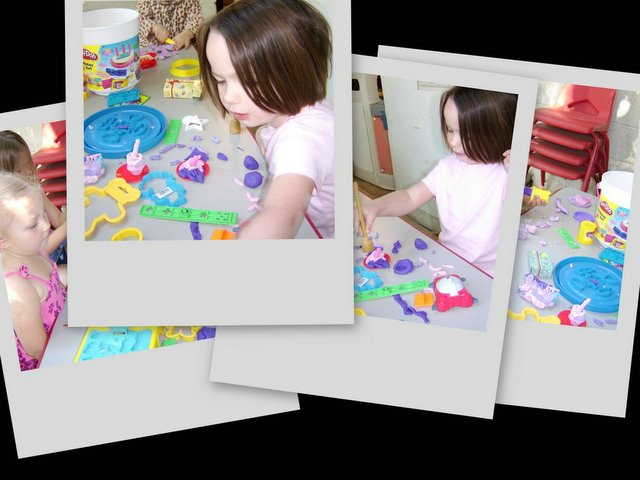
Dough Play


Our friends, dough tools and imagination.
Working out feelings, trying on different roles and using fine motor skills.
 Posted by Picasa

A Typical Day's Activities


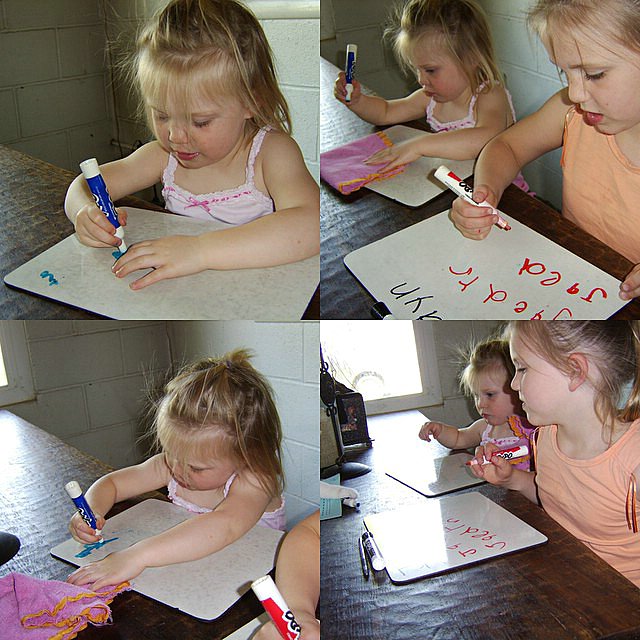
Typical daily activities: 1st picture - students practicing their name and becoming familiar with using writing instruments.

2nd pic - Animal bingo.

3rd pic - A child begins to use math concepts with color bears and flash cards.


 Posted by Picasa

Wednesday, May 17, 2006

Here's An Idea...

This is a fun post (click the green words)...
Instead of being a couch potato or vegging on the computer...

Do something outside with your kids!

This month's letter; the letter "M." In this project our friends are gluing shell macaroni to an outline of the letter "M" and cutting out pictures that start w/ "M." Posted by Picasa

Tuesday, May 02, 2006

Clean fun

Today we used non-toxic liquid watercolor and an assortment of different sized brushes to "paint" soap. This is a fun activity which gives the child the power to start over again on the same piece of soap after washing in a tub of clean warm water. This group painted over and over again! Posted by Picasa

Monday, May 01, 2006

It's Spring!!

Painting with big brushes and Springtime colors! Posted by Picasa

Wednesday, April 26, 2006